
RICK CRANDALL

This site is a collection of articles on subjects that may be of interest to researchers.. They are all copyrighted, however abstracting and quoting may be done without my permission (although I’d like to know!) and literal copying may be allowed, contact me. 

The 1966 SDS 940 and the Internet

p_pdf

(Here in 1966, later it was the first host to connect to the Internet)
3 SDS 940 and Internet

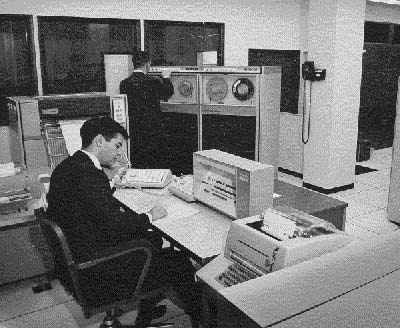
Rick Crandall at the console of SDS 940 Computer
Serial #2, September, 1966 at Comshare, Inc.

The control panel is the central control hub of the historic Scientific Data Systems 940 computer made in July of 1966. The SDS 940 was the first computer designed specifically for on-line computing. It was also the first host computer ever to be connected to the “Internet” in October 1969 at the Stanford Research Institute.

The 940’s basic operating system (i.e. the equivalent of Unix or Windows NT today) was created in 1966 as a collaboration of the U.C. Berkeley researchers, Rick Crandall of Comshare (Ann Arbor), Scientific Data Systems (Santa Monica) and Tymshare (Cupertino). Comshare continued the development into Commander I, its first commercial timesharing offering.

As quoted from “Where Wizards Stay up Late, The Origins of the Internet”1

“A month after the first IMP2 was installed at UCLA, IMP Number Two arrived at SRI right on schedule on October 1, 1969… The SRI guys loved their host computer, an SDS 940… a revolutionary time-sharing system first put together by a team at Berkeley… With both IMP’s now in place, the moment to test the actual two-node ARPA3 network had finally arrived.”

The test worked and the Internet was born. The 940 at SRI was serial #3 made by SDS. The one at Comshare was Serial #2. The ARPA network aimed at governmental and academic uses while Comshare and Tymshare opted for commercialized uses of the technology.

1. Katie Hafner and Matthew Lyon, Simon & Schuster, 1996: pp 149-152

2. Interface Message Processor, the computerized network switch for the internet, originally created by Bolt, Berenak & Newman

3. Advanced Research Projects Agency, the government agency who funded the early work on the Net.
p_pdf

Welcome

This site is a collection of articles on subjects that may be of interest to researchers.

They are all copyrighted, however abstracting and quoting may be done without my permission (although I’d like to know!) and literal copying may be allowed, contact me.

See Hiking and Climbing Equipment Checklist HERE

New Articles

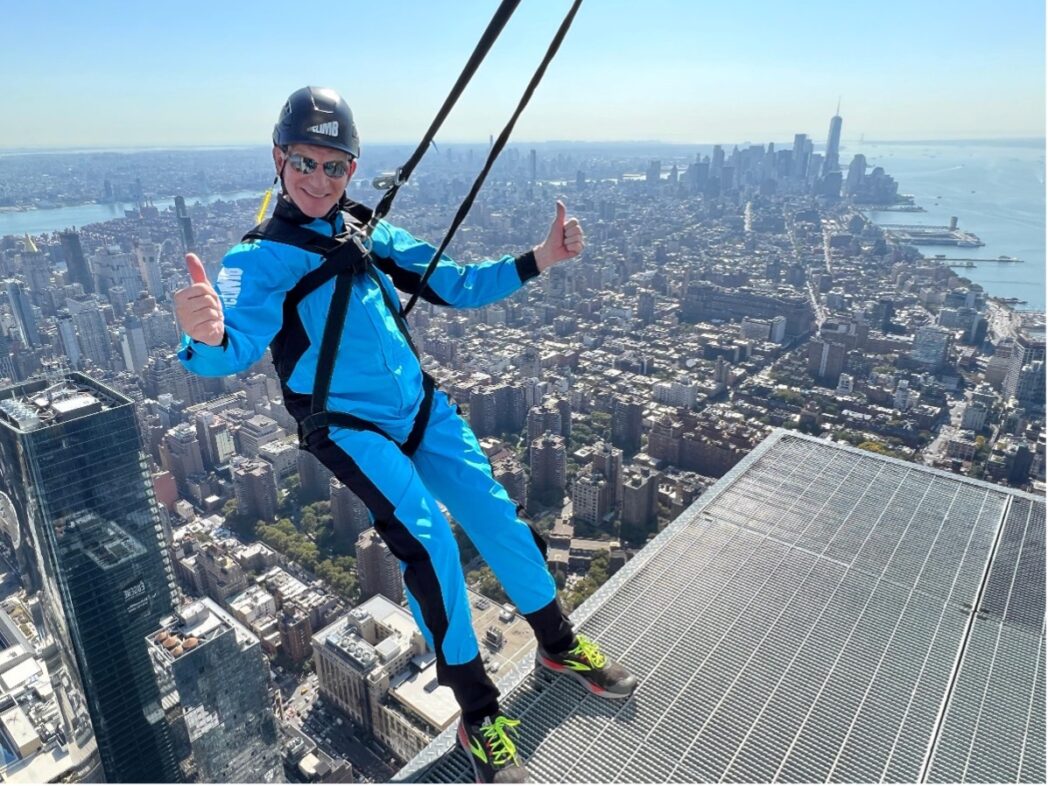
Climbing a New York City Skyscraper

In Hudson Yards, NYC there is a building called the Edge that has the highest cantilevered deck in North America at the 100th floor. We elevatored to there and then went outside to climb to the top!

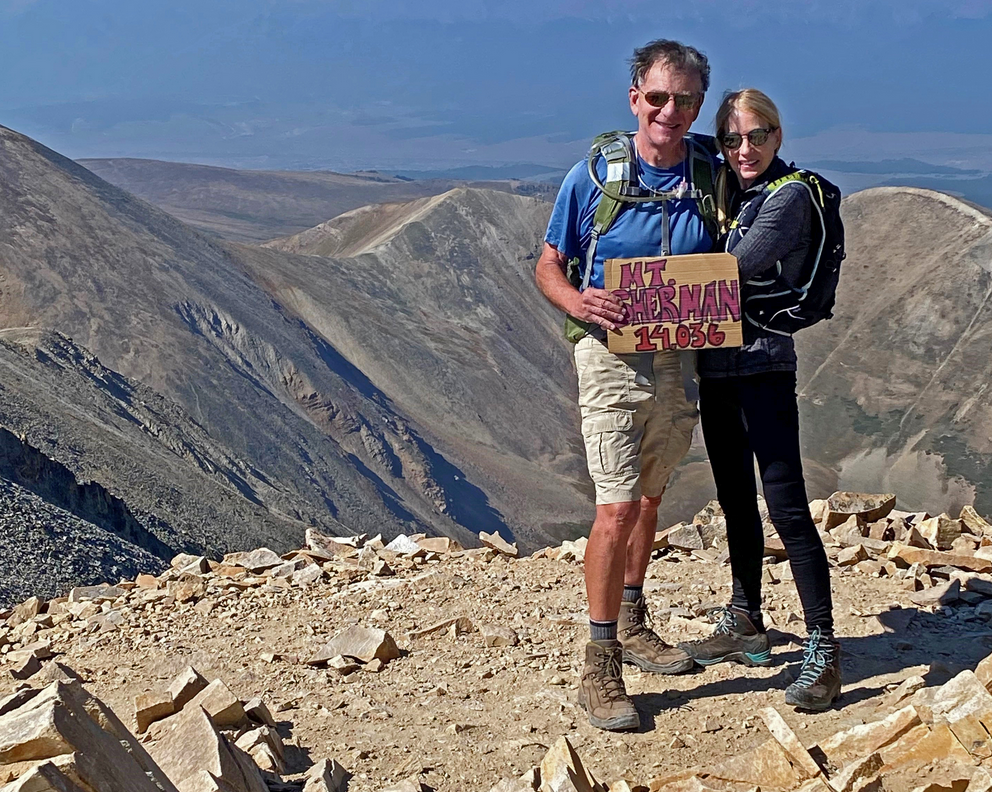
Mt. Sherman Revisited

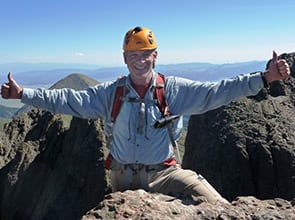
After four years passing from finishing climbing all 58 fourteeners, I am back at a summit on Mt. Sherman with Mona Long.

My Favorite 14er Climb Stories

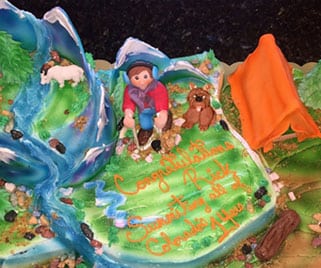
Pikes Peak – Summiting My 58th and Final 14er

Pikes Peak is the 2nd most visited mountain in the world. I saved it for last because it has a road to the top so that some friends could climb with me and others could ride to the top to begin the celebration completing a 9-year mission to climb them all. We chose the Crags Trail, and then we had quite a party!

K2 and Capitol Peak (“The King”)

Capitol Peak is undoubtedly the standard bearer of all the fourteeners in Colorado. It features a very long boulder hike/climb to a sub-summit called K2 at 13,688’ followed by a knife-edge ridge crawl to the Capitol summit cap. The final push is a 550’ Class 4 climb to summit.

Little Bear Peak – Bad Boy of the Colorado Fourteeners

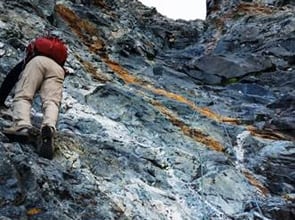
This is a pure climbing story because this mountain is a skilled-climbers’ mountain that most recognize as one of the two most difficult of all 57 Colorado fourteeners.

Crestone Peak … and a Self Rescue!

“Crestone Peak, or “The Peak” as known among many climbers, is one of the “double-black diamond” 14ers for climbers. It and its companion fourteener, Crestone Needle were the last of all the fourteeners to be scaled back in the 1920’s. This remote and rugged mountain was once thought impossible to climb.”

Blanca Peak – Sacred Mountain of the Navajo

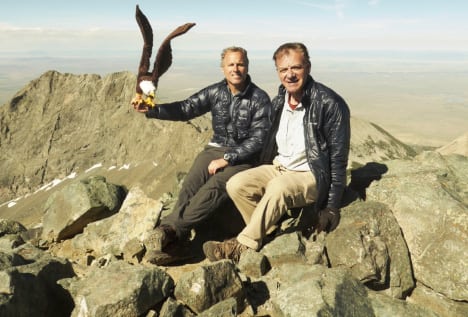
with a 130-year old Eagle trap at summit …and close encounters with hungry bears.

North Maroon Peak – Going Technical

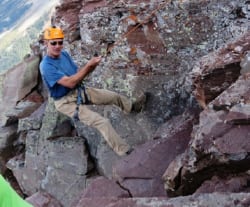
Climbing North Maroon with Andy Mishmash changes a dangerous climb into pure joy. This peak is notorious for casualties but with care watching for loose rock and someone experienced in route finding, North Maroon becomes one of the most beautiful fourteener climbs. The views on the way up and from summit are stunning

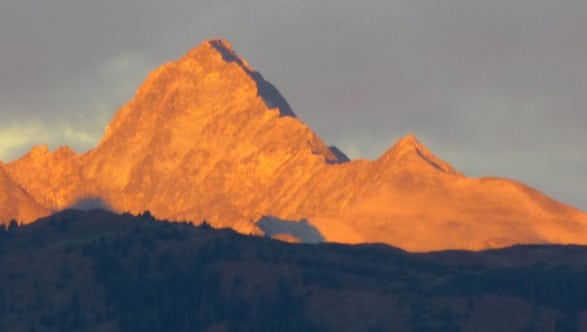
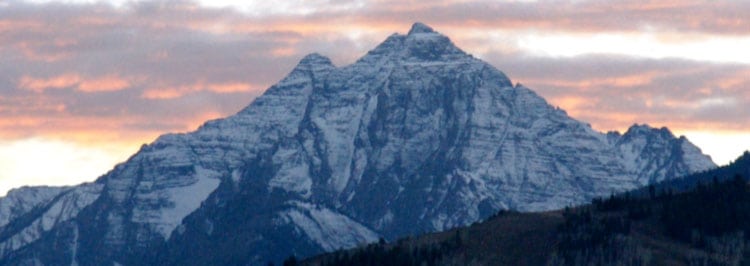
Pyramid Peak – a Dream Climb

Pyramid Peak near Aspen, one of the most challenging fourteeners with its narrow ledges, Leap of Faith, Class 4 Green Wall and the impressive Amphitheater; climbed during fall aspen colors with climbing expert Andy Mishmash.